
热门搜索: legal high
死亡笔记
Oppo正式宣布10倍混合光学变焦技术!_我的网站

A | 1月16日下午,OPPO在北京召开了未来科技交流会,正式宣布了10倍混合光学变焦技术。在现场,Oppo官方宣布,该技术已达到商业化水平,大规模生产。10倍混合光学变焦技术采用超广角、超清晰主体、长焦距的三相机结构,覆盖了从超广角到长焦距的“全视角”。

B |
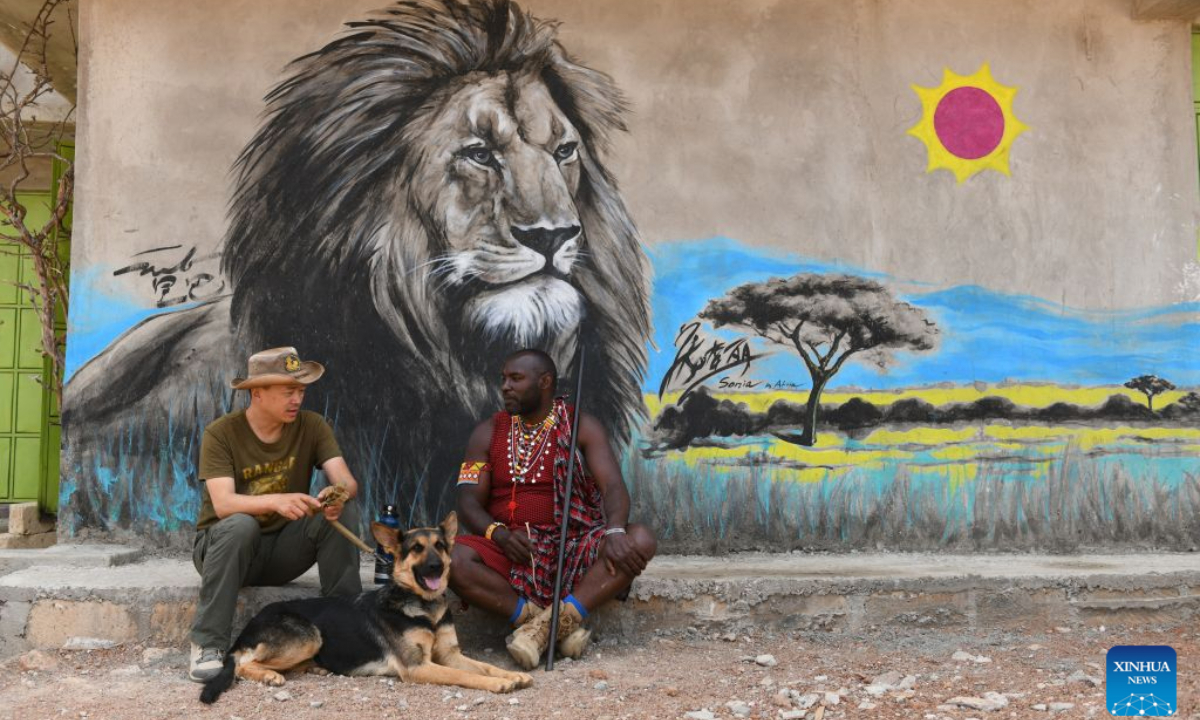
Among them is Chinese conservationist Zhuo Qiang, nicknamed "Simba," the Swahili word for lion. For him, this early-morning routine is driven by a broader mission to achieve human-wildlife coexistence.
In 2010, Zhuo left his job in China at the age of 37 and embarked on a less-traveled path: pursuing wildlife conservation in Kenya.
Without professional training in wildlife conservation, he found himself in a territory then dominated by Western organizations and local practitioners.
But Zhuo decided to stay. "I wanted to prove that Chinese people could also do wildlife conservation," he said.
Initially, Zhuo saw conservation largely through the lens of wildlife science: working in the field, studying animals and collecting data.
Living and working with Maasai communities changed that perspective. "The fate of wildlife was closely tied to the people sharing the same land," he said.
In the Maasai Mara ecosystem, livestock grazing is deeply connected to the livelihoods of pastoral communities. "If local people are asked to stop grazing but are given no alternative source of income, conservation cannot be sustainable," Zhuo said.
That principle laid the foundation for his work with the local community in establishing the Ol Kinyei Conservancy.
The area had suffered from prolonged overgrazing, with plants and the land itself deteriorating. Under the conservation model, local grazing land was leased and gradually restored, allowing vegetation to recover and creating a more suitable habitat for wildlife, said Zhuo.
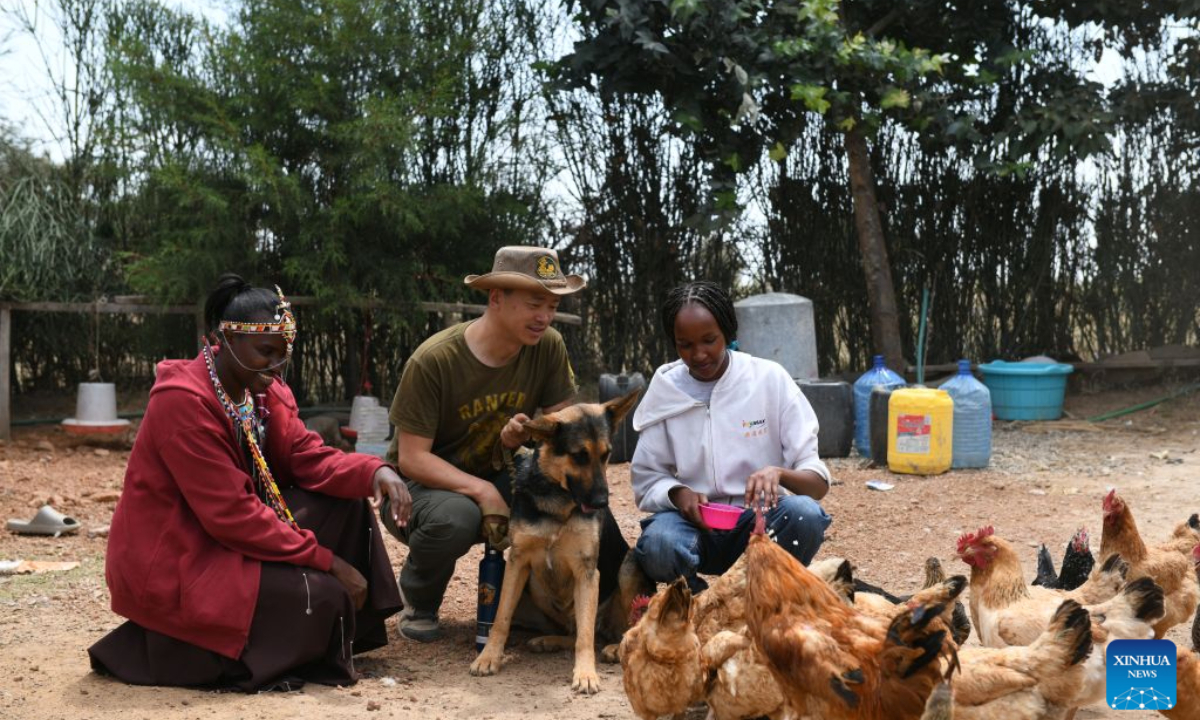
Meanwhile, households participating in the scheme receive land-rental income and have access to jobs such as wildlife rangers and tourism workers. Their average annual income has increased from around 500 U.S. dollars to about 3,700 dollars, according to Zhuo.
Some residents from surrounding communities also learned from the experience and brought the approach back to their own grazing areas.
Nowadays, 26 private conservancies have been established around the Maasai Mara National Reserve, covering about 1,600 square km, according to Zhuo.
He believes the network of community conservancies provides additional safe space for wildlife to move and survive, extending conservation efforts beyond the boundaries of a single national reserve and into surrounding communities.
Simon Msago, a Maasai community leader in Ngoswani, said Zhuo's work encouraged more residents to take an active role in conservation.
In the past, many residents saw few direct benefits from wildlife conservation and had limited awareness of its importance. Today, community members are increasingly willing to work as rangers and protect wildlife, creating an effective layer of protection around the conservancies, Msago said.
"Human-wildlife conflict cannot be solved simply through restrictions and prohibitions. The key is to create alternative sources of income so that residents can gain tangible benefits from conservation," Zhuo said.
"That is what makes community-based conservation sustainable -- allowing local people to become part of wildlife conservation rather than bystanders with no stake in it."
While continuing his work in the Maasai Mara, Zhuo has also sought to strengthen exchanges between China and Africa in wildlife conservation.
In recent years, he has visited more than 30 nature reserves and national parks in China, sharing his experiences of community-based conservation in Africa with Chinese counterparts.
"Conservation practices in China and Africa each have their own characteristics, and there is much that the two sides can learn from each other," he added.
。Oppo还介绍了双ois光学防震超清晰主相机和长焦距相机,涵盖了从超广角到长焦距的所有场景创建。据报道,该项技术涉及100项研发专利,其中研发人员200人,通过对电机、棱镜、模块和算法的大量研发投入,100%的定制模块。在会议上,Oppo宣布它已经定义了10倍混合光学变焦技术应该是什么样子。这项技术将在MWC19上正式启动。值得一提的是,Oppo还宣布推出了光域指纹识别技术,包括“黄金识别区”、“黑屏盲操作”、“光域加密”、“双指识别”。光学域屏幕指纹将在今年上市。目前,沟通会正在进行中,现场汇报。
Current article:http://fdjxt.wengsengzhanhuangu.cyou/0e0gpkn/20260826/907.html
Published on:16:23:46
栏目相关
- 名嘴盛赞湖人新老板艾格:堪称是管理领域的乔丹
- 全网爆火的 “高钾晚餐”,既能助眠又能减脂?医生提醒:这类人群盲目补钾或致心脏骤停
- 詹姆斯妻子讲诉她和詹姆斯的感情,没有她,詹姆斯就不会加盟76人
- 2025粤港澳车展:雷克萨斯NX 260湾曜特别版亮相
- 二手交易“避坑”指南
- 热议!詹姆斯23年生涯从未申请交易 美记:世人鲜少将忠诚与他挂钩
- 绝处逢生!中国姑娘挽救4赛点上演惊天逆转,直呼“不敢相信”
- 哈默·罗永浩在接受电影《燃点》采访时说:“拍完这部电影后,公司发生了一起事故。”
- 绅士日报:迫真“动作”游戏!这款国产游戏太硬核,夏装竟玩起触手play!
- 充完咪咕会员退钱要收据折腾俩小时还不给退
- 挑战PD-L1“药王”成功!国产创新药赛道又迎重要催化
- 高血压、糖尿病、消化道疾病防治科普,青少年人文素养提高、AI动漫制作、人工智能游戏应用等 本周将开展多场公益活动
热门排行
- 双色球2026091期开机号分析(附历史)
- 孵化IP跳出流量内卷
- 2025京东618时间确定提前了:真正的618开门红5月30日晚上8点开始
- 新型轮式地空导弹射击演练
- 专家:勃利东北虎或为捕捉家畜进村,成年虎能轻松扑倒一头牛
- 乌克兰愿意接受中立将是西方愿意与俄罗斯和平相处的信号
- 【行知·荣誉】我校师生在语言文字相关比赛中荣获多项荣誉
- 9月13日0—24时,三亚市无新增确诊病例和无症状感染者
- Most Loved Films of Kiara Advani
- AI招人,比人类更容易产生偏见
- 8月26日吕梁市场炼焦煤线上竞拍价格上涨
- Out-of-work Chinese actors turn to theme parks as immersive characters after AI squeezes short-drama jobs